
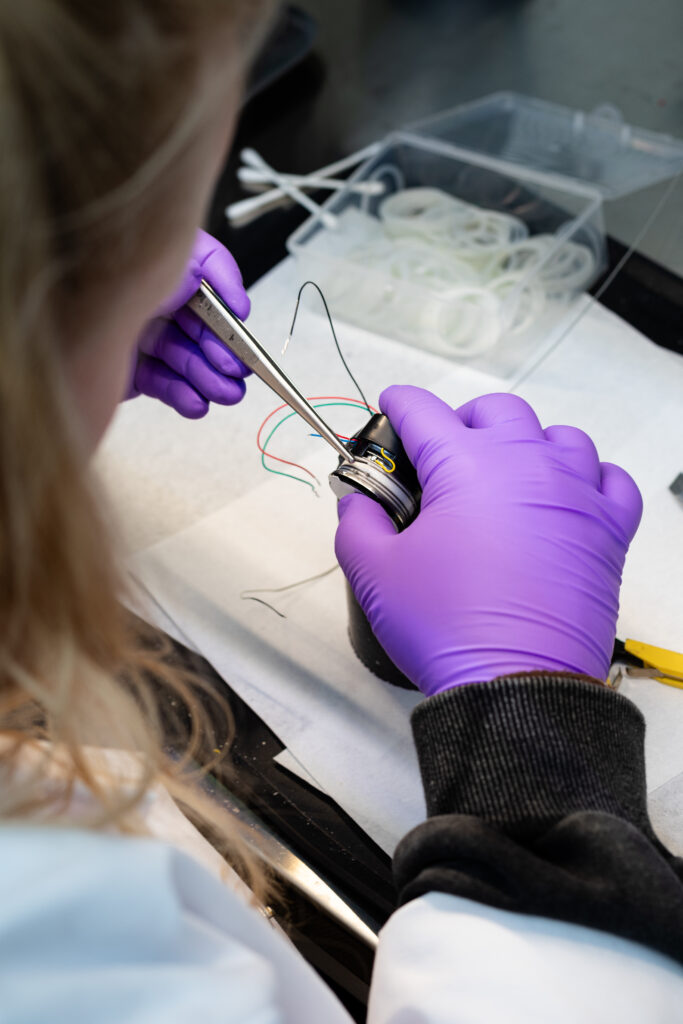
Modern applied research relies on more than theoretical models. Reliable results emerge from carefully controlled laboratory environments where experimental conditions, instrumentation, and workflows are precisely managed.
Engineering validation plays a critical role in confirming that experimental systems perform as intended before moving toward real-world implementation.
In applied research, validation is not a final step – it is an ongoing process that ensures accuracy, stability, and reproducibility at every stage.
Controlled experimentation and measurement
Laboratory-based validation focuses on isolating variables and minimizing external influence. This allows researchers to evaluate system behavior under repeatable conditions and accurately assess performance limits.
Key aspects of controlled experimentation include:
- calibrated measurement systems
- repeatable experimental protocols
- documented environmental parameters
These elements form the foundation for trustworthy research outcomes.
From experimental results to system confidence
Validated laboratory results provide the confidence required to advance research into further development phases. By confirming consistency across multiple experimental cycles, research teams reduce uncertainty and improve decision-making.
This structured approach ensures that research conclusions are supported by measurable, repeatable evidence.
Supporting applied research workflows
Engineering validation supports collaboration between research and development teams by providing a shared reference point based on verified data. This alignment accelerates iteration cycles and improves overall research efficiency.
Through disciplined validation practices, laboratory research transitions from exploration to dependable engineering knowledge.